Health Tips
Can You Put Plastic in the Microwave?
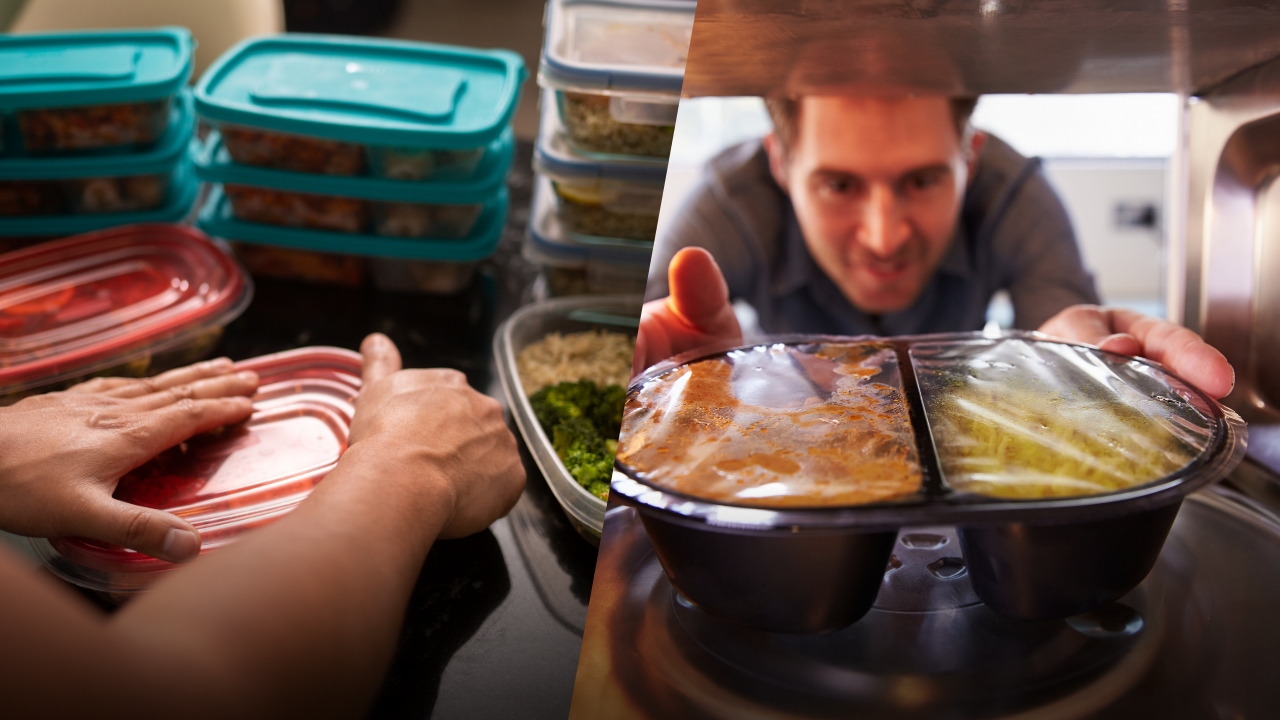
We use containers to store, transport and serve food, but what happens when it’s time to heat up those leftovers? Can you put plastic in the microwave? The answer depends on the container and its intended use. I like the simplicity of microwave-safe glass or ceramic: heat, serve, and one less dish to wash! Let’s look at the labels, alternatives and easy habits for reheating your meals. 🌎
The short answer: check the intended use
Use a container specifically labeled for microwave use and follow its directions. Plastic is a broad category, so ‘all plastic is unsafe’ and ‘all plastic is fine’ are both unhelpful shortcuts. If the container’s intended use is unclear, transfer the food to a dish you know is microwave-safe.
What the label does and doesn’t tell you
Look for the manufacturer’s microwave instructions, including limits on time, temperature, lids and venting. A recycling number or a ‘BPA-free’ claim is not a substitute for those directions. A container that is suitable for cold storage is not automatically suitable for reheating. If you can’t identify an old takeaway tub, let it sit this round out.
Glass and ceramic are useful options
A glass or ceramic dish labeled microwave-safe can make reheating straightforward. Check the lid separately; a microwave-safe dish may have a lid with different restrictions. Avoid metal trim and damaged dishes, and follow any warnings about sudden temperature changes. ‘Glass’ alone is not enough information to know every jar or decorative bowl can be heated.
Don’t improvise with food packaging
Single-use tubs, foam trays and packaging not intended for heating shouldn’t become your default microwave cookware. Ready-meal packaging may have specific instructions, so read those rather than treating every tray alike. If a container is melted, distorted or damaged, stop using it for food heating. A favorite reusable dish can save the daily guessing game.
Cover thoughtfully and vent the steam
Use a suitable microwave-safe cover and follow directions for venting. USDA notes that appropriate plastic wrap should not touch the food. Don’t seal a container tightly while heating, and lift covers away from your face because trapped steam can burn. Oven gloves may be useful even when the dish itself was safe to microwave.
Heat the food, not just one corner
Stir or rotate food when appropriate and follow the appliance and food instructions, including standing time. Leftovers should reach 165°F (74°C) throughout. Test more than one spot with a food thermometer, especially in dense dishes. One steaming edge doesn’t prove the middle is hot enough.
An easy habit to keep
Keep a familiar microwave-safe dish near where you store leftovers. When a container is a question mark, transferring takes a few seconds and removes the uncertainty. You don’t need a frightening list of chemical claims to make a sensible choice. Clear labels, suitable cookware and properly heated food are a good place to start.
Before reheating, read my guide to cooling and storing soup.
A closer look
Helpful sources
FDA: microwave oven use and cookware ↗︎
USDA: microwave-safe utensils and covers ↗︎
 Health Tips
Lavender Matcha Protein Latte
Explore Lavender Matcha Protein Latte 🍵. Preparation tips, ingredient options and serving ideas from Veginner Cooking.
 Health Tips
Green Juicing: Ingredients, Tips and Recipes
Learn green juicing with a juicer or blender, four produce combinations, practical pulp ideas and the difference between juice and whole vegetables.
 Beverages
Flat Belly Smoothie
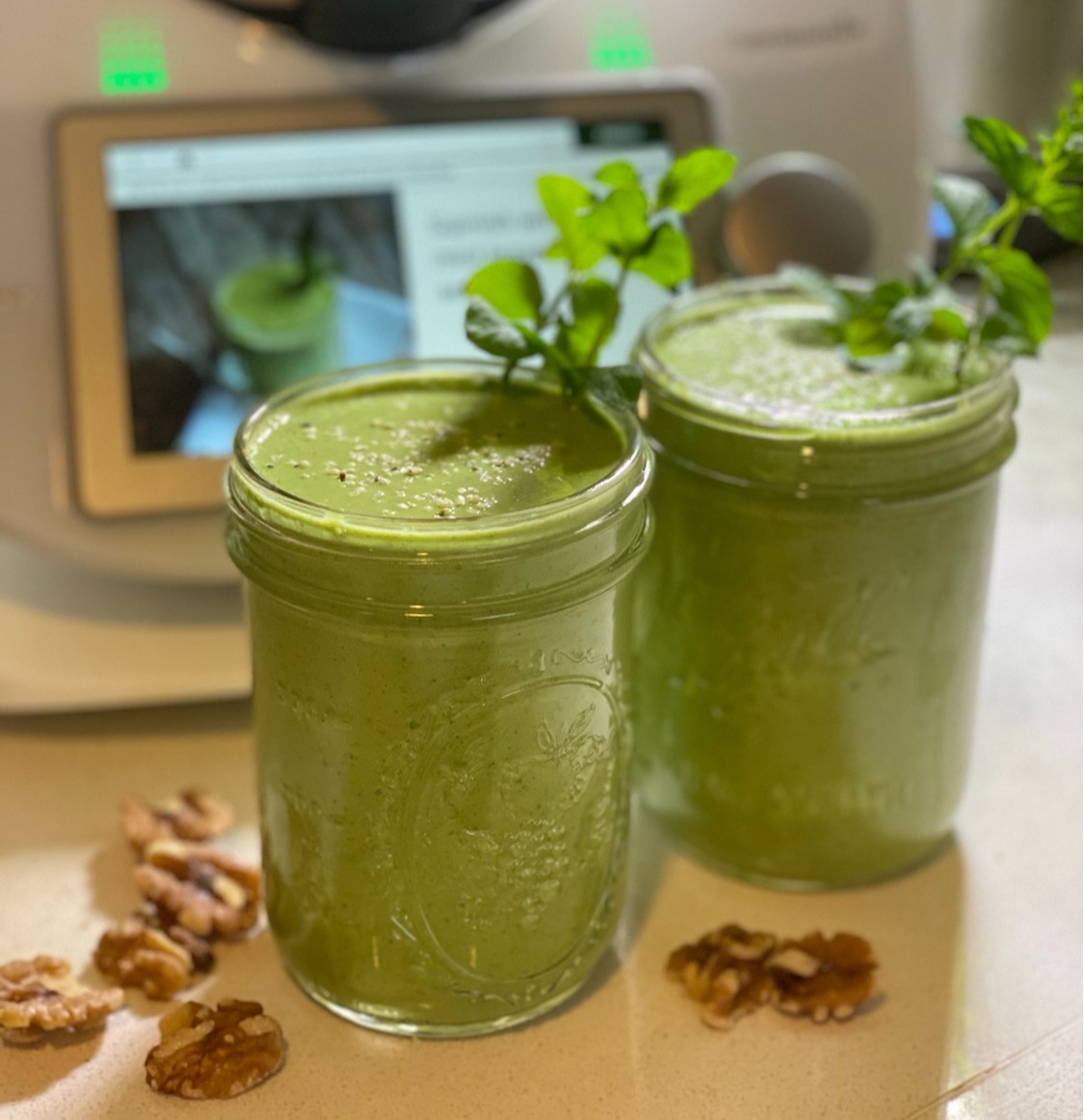
Make this vegan Flat Belly Smoothie with pineapple, banana, mint, lime, ginger and greens. Includes blending tips, walnut swaps and ingredient guidance.