
Health Tips · Lunch · Dinner · Breakfast
Types of Tofu and How to Cook Them
Tofu is a bit of a kitchen chameleon: crispy bites one day, a creamy sauce the next. 🌿 The trick is choosing a texture that fits what you are making. Let’s take the mystery out of the tofu shelf, then get you cooking something you actually look forward to eating.
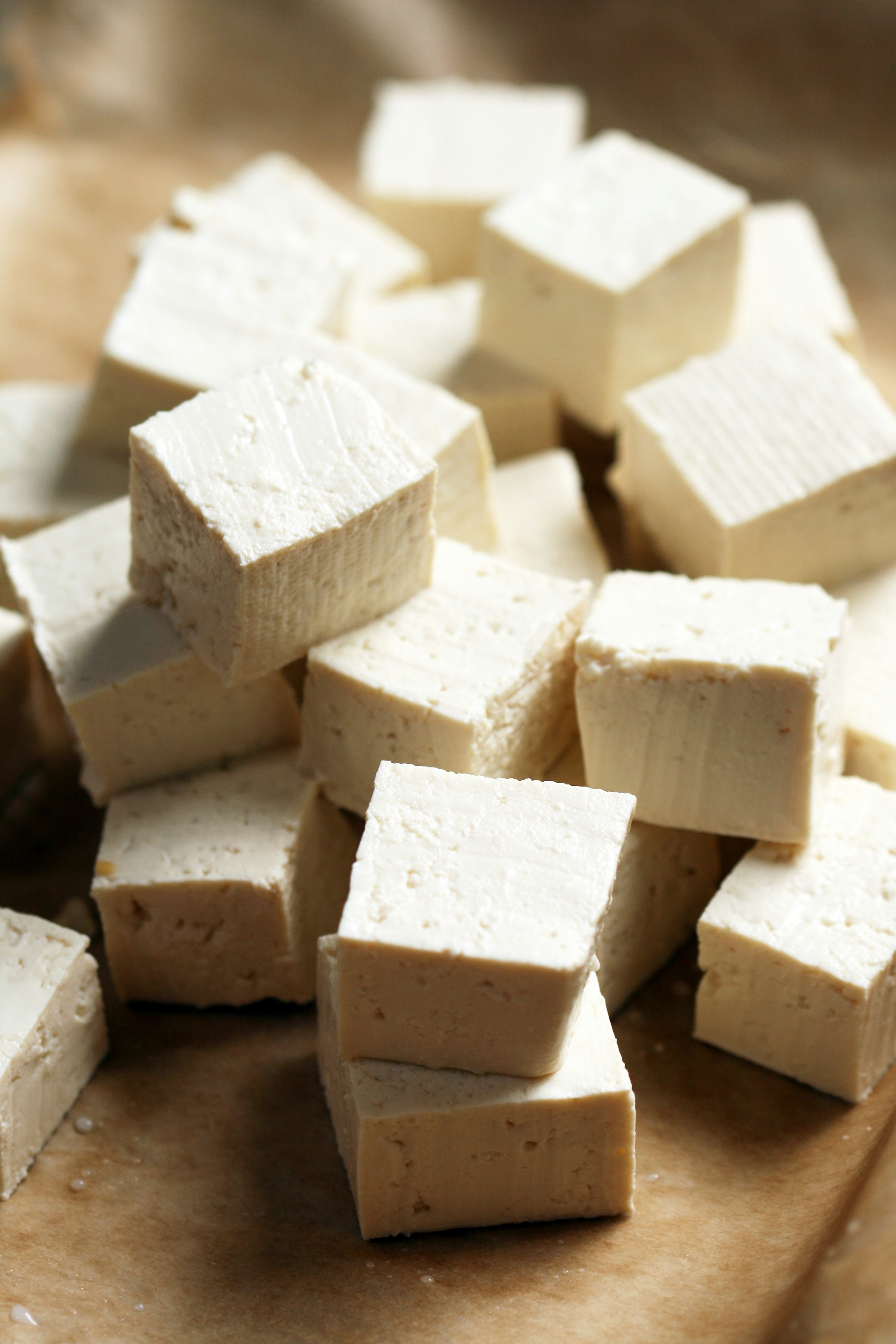
Start with texture, not intimidation
Regular block tofu and silken tofu are different styles, and both may carry firmness labels. Brand names and textures vary. Read the package and think about the job: sturdy pieces for browning, delicate pieces for soup, or a smooth base for blending.
Super firm and extra firm: the sturdy team
Super-firm tofu is often sold with relatively little water and may not need pressing. Extra-firm tofu is useful for cubes, slabs, sandwiches, and stir-fries. Drain and pat dry; press when the package and recipe call for it. Dry surfaces help with browning.
Firm and medium: scrambles, curries, and softer bites
Firm tofu crumbles nicely for a scramble and can also hold together in saucy dishes. Medium tofu is more delicate, so add it gently and avoid constant stirring. The names are guides, not guarantees that every brand will have exactly the same texture.
Soft and silken: handle with a little kindness
Soft regular tofu is delicate and works in soups and gentle preparations. Silken tofu has a smooth, custardy texture that blends into sauces, dips, smoothies, and some desserts. Do not put a heavy press on it: you will squash the texture you chose it for.
Yuba and sprouted tofu: two more ways to explore
Yuba, often called tofu skin, forms as a layer on heated soy milk and brings a chewy texture to rolls and stir-fries. Follow package directions for rehydrating dried yuba. Sprouted tofu is made with sprouted soybeans; check the label rather than assuming it always has more protein, minerals, or easier digestibility.
Pressing without special equipment
For a sturdy block that needs pressing, wrap it in a clean towel, set it on a plate, and use a stable, moderate weight. Keep the setup secure and stop if the block starts collapsing. A tofu press is convenient, but it is not a prerequisite for trying tofu.
Crispy outside, flavorful inside
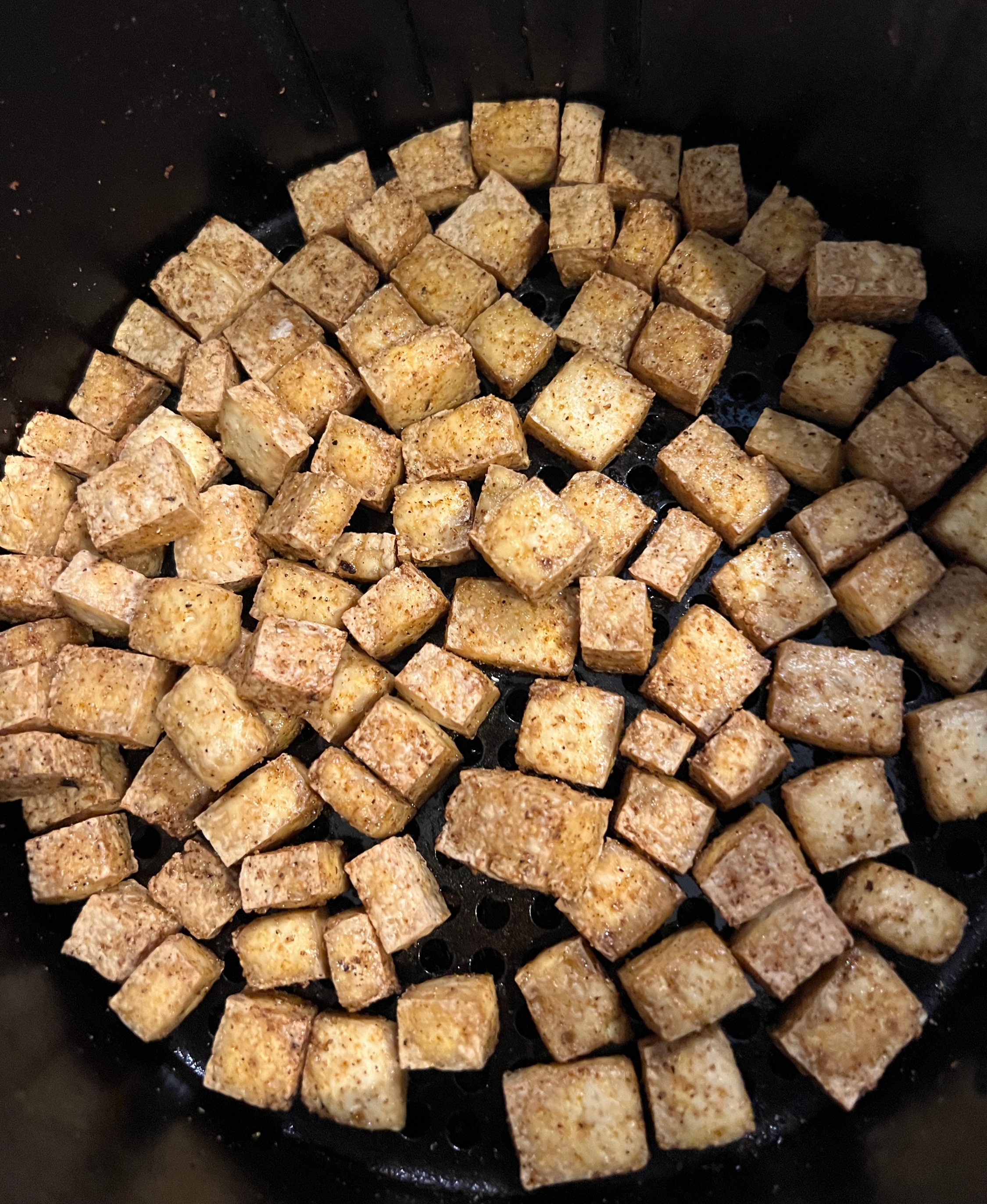
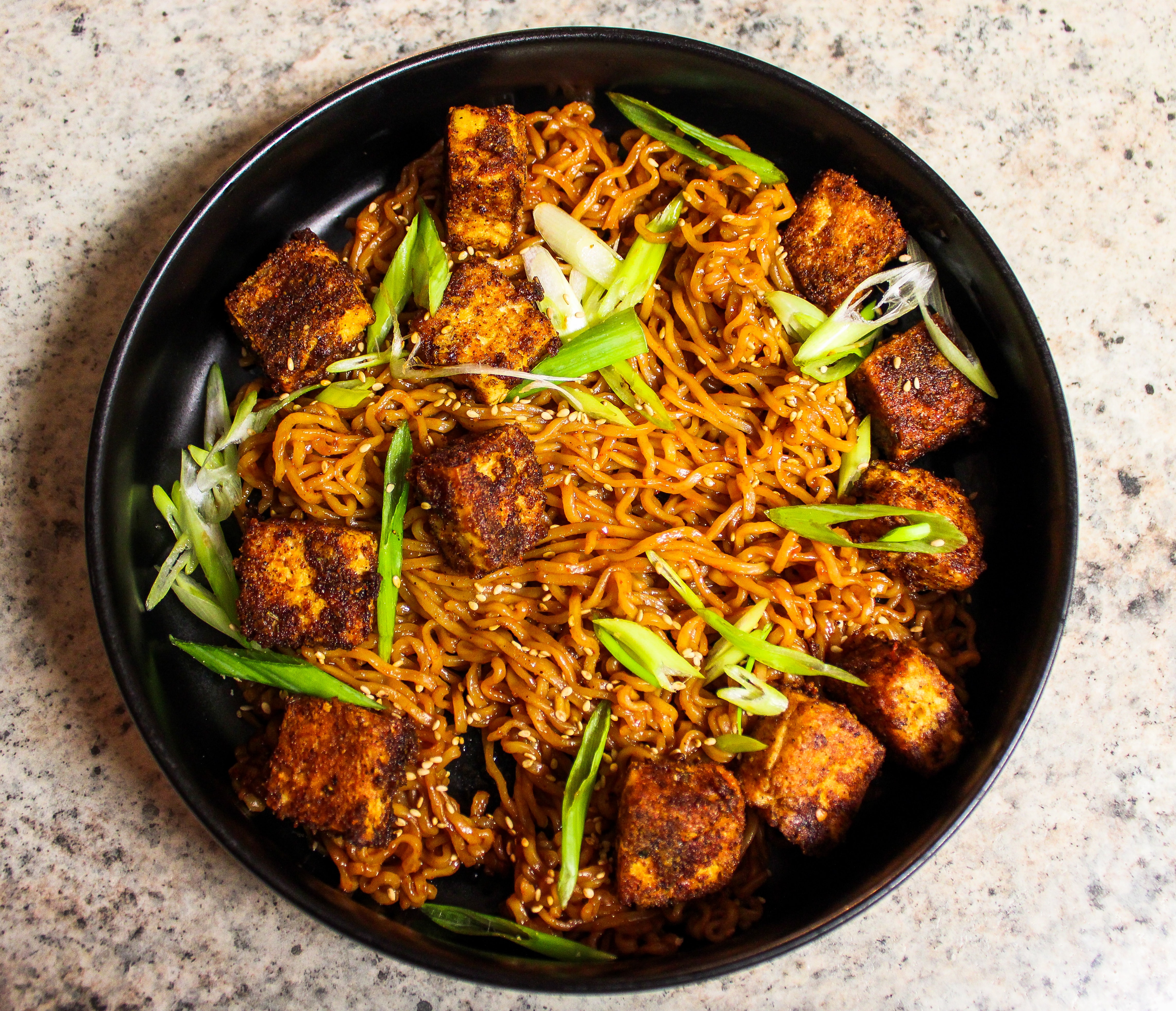
Cut pieces fairly evenly, dry them, and use a light cornstarch coating if your recipe calls for one. Leave space in the pan or air-fryer basket and let a crust form before moving the pieces. Thin slabs also give a marinade more surface to reach; a good sauce adds flavor after cooking too.
Bake it, blend it, scramble it
Baked extra-firm tofu can become chewy around the edges, while silken tofu is better for blending smooth. My tofu scramble gives you a breakfast starting point. A small pinch of kala namak, or black salt, adds an egg-like aroma if you enjoy that flavor.
Want to make tofu from scratch?
My peanut tofu recipe is a different, soy-free kitchen experiment using peanuts and gypsum. It is not the same as swapping a block of soy tofu into a dish, and its texture can be more delicate. If you are new to tofu, start with a store-bought block and one simple preparation before trying every variation at once.
A closer look
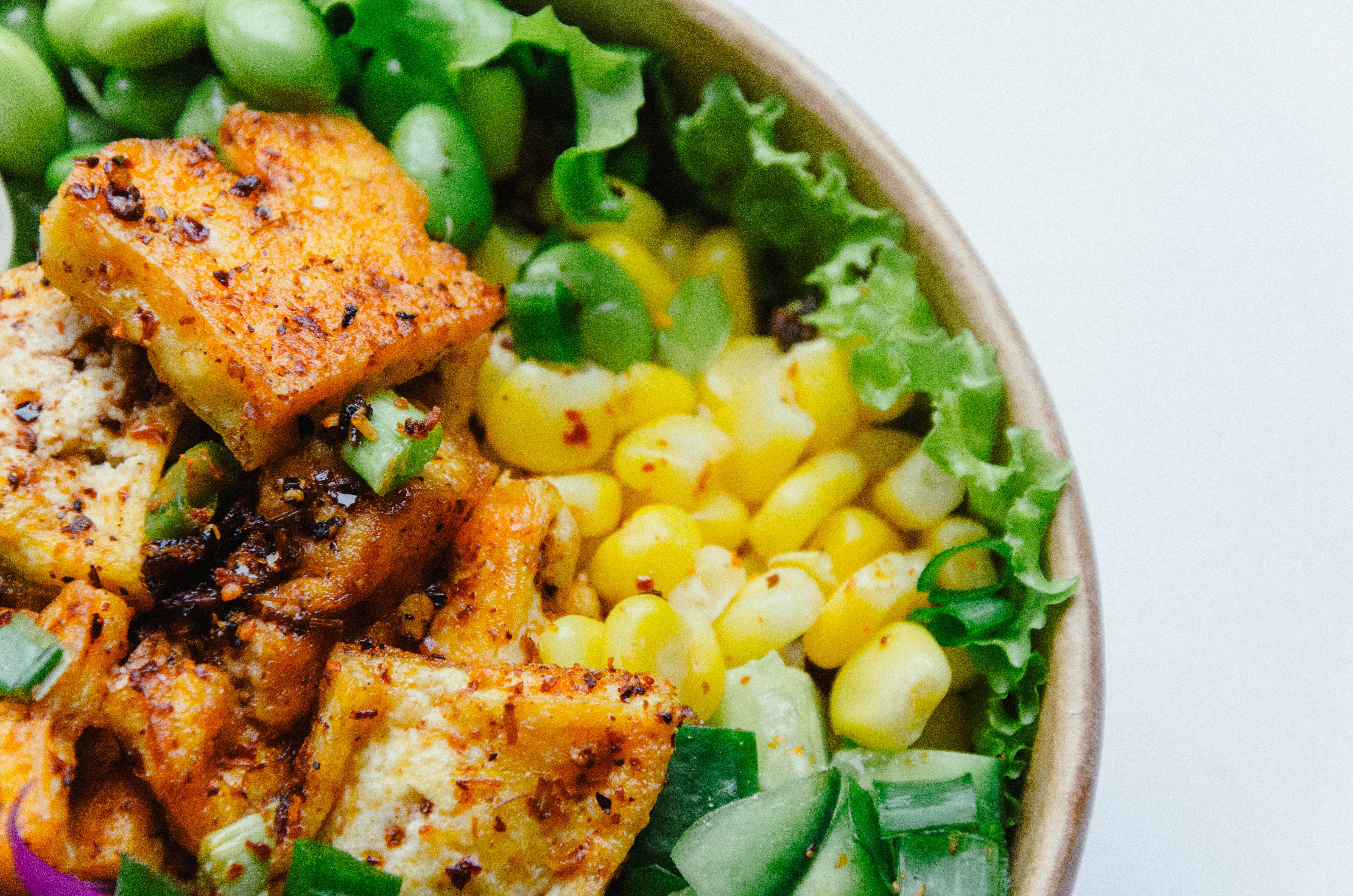
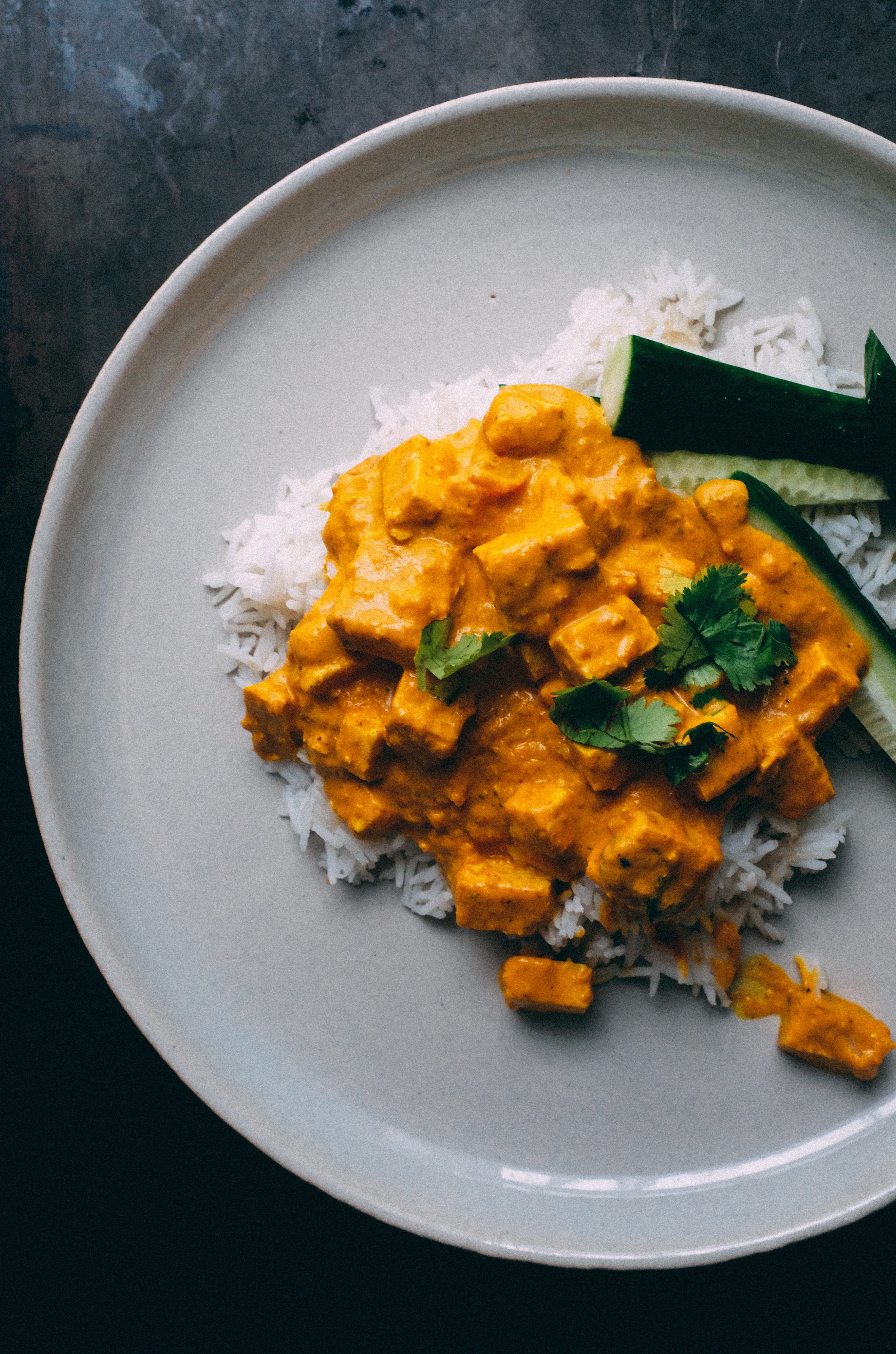
 Breakfast
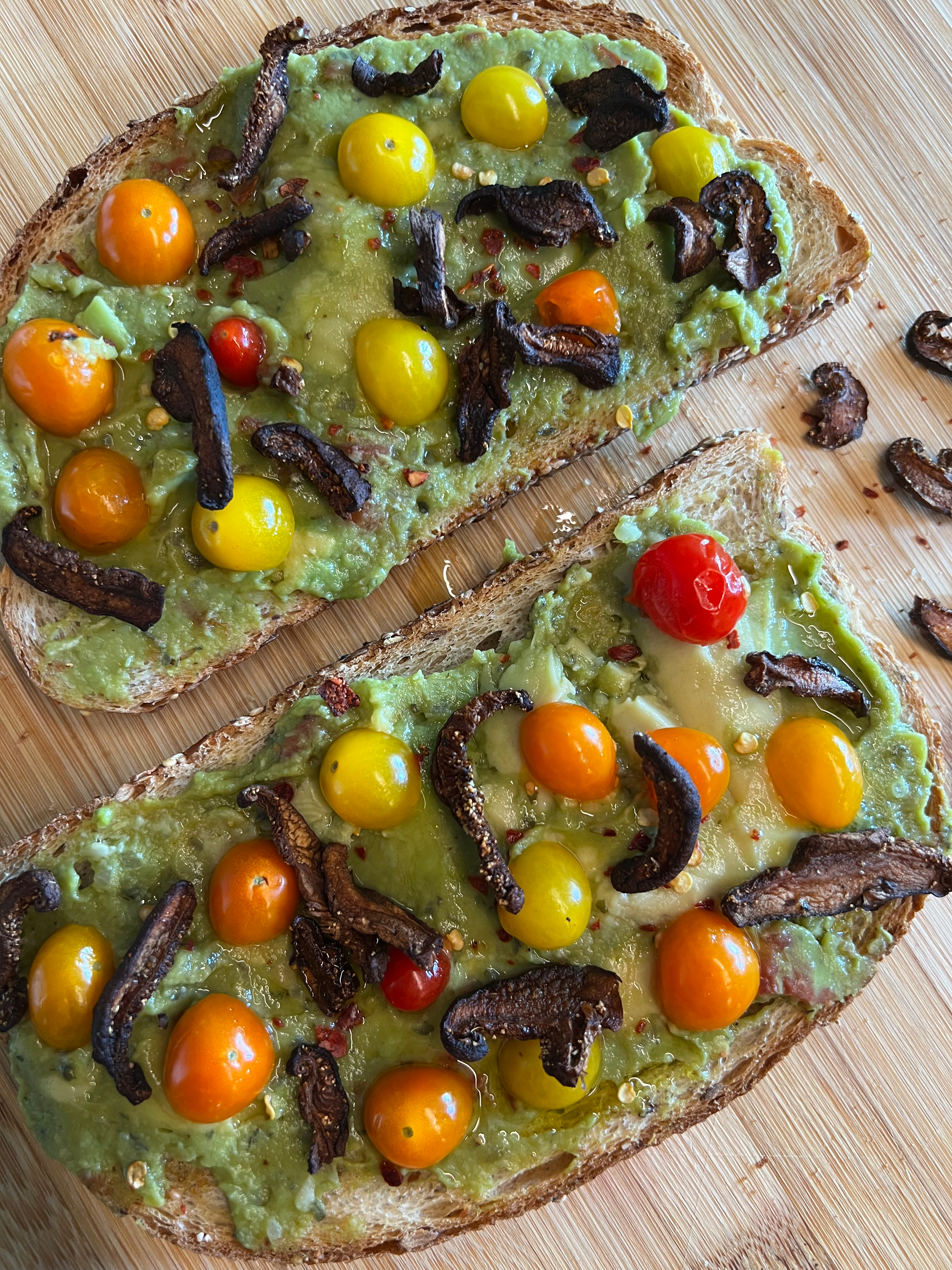
Loaded Avocado Toast
Toast with the most: avocado, tomatoes, and crispy mushroom bacon.
 Lunch
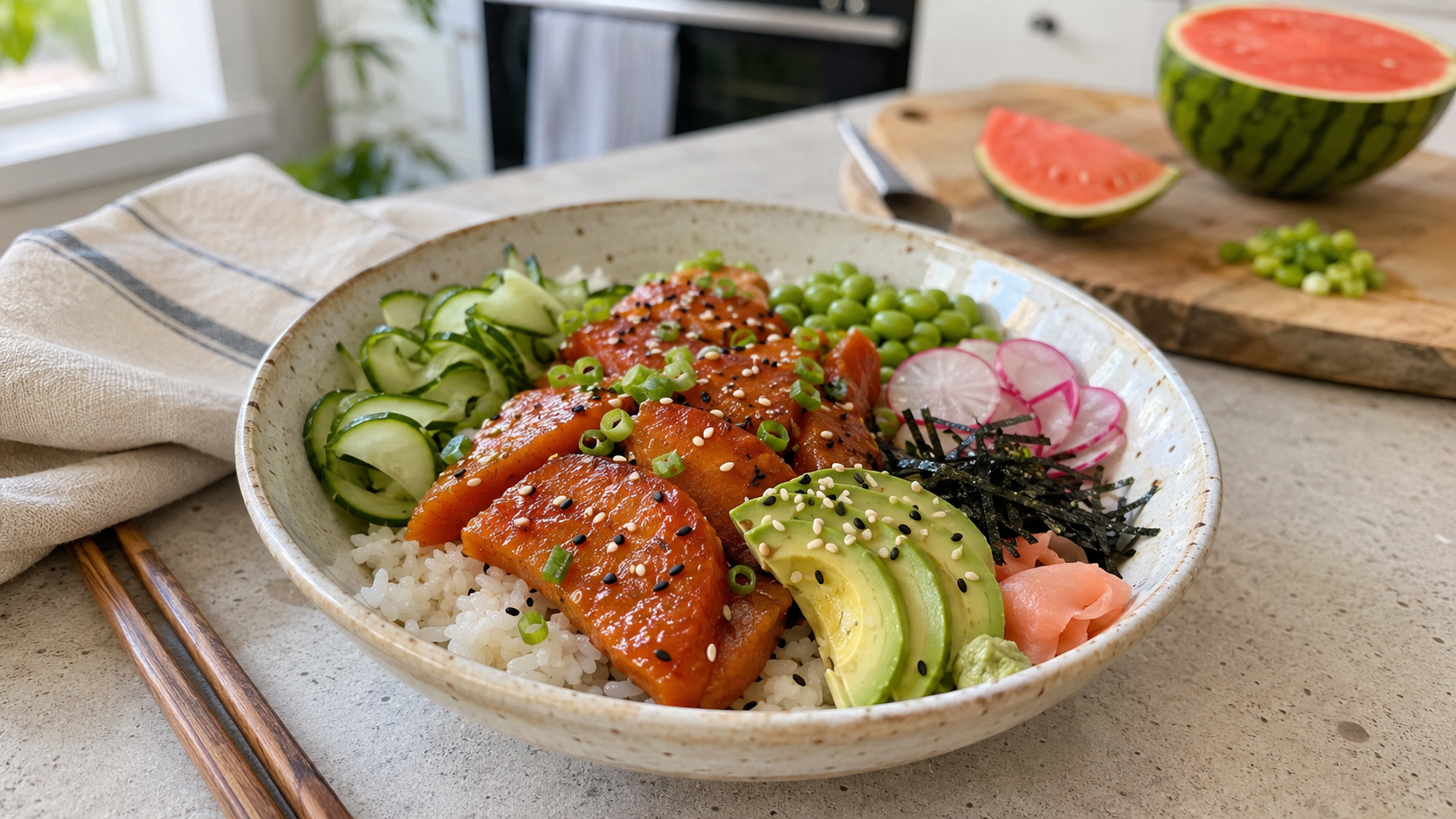
Watermelon "Salmon"
Explore Watermelon "Salmon" 🍉. Preparation tips, ingredient options and serving ideas from Veginner Cooking.
 Beverages
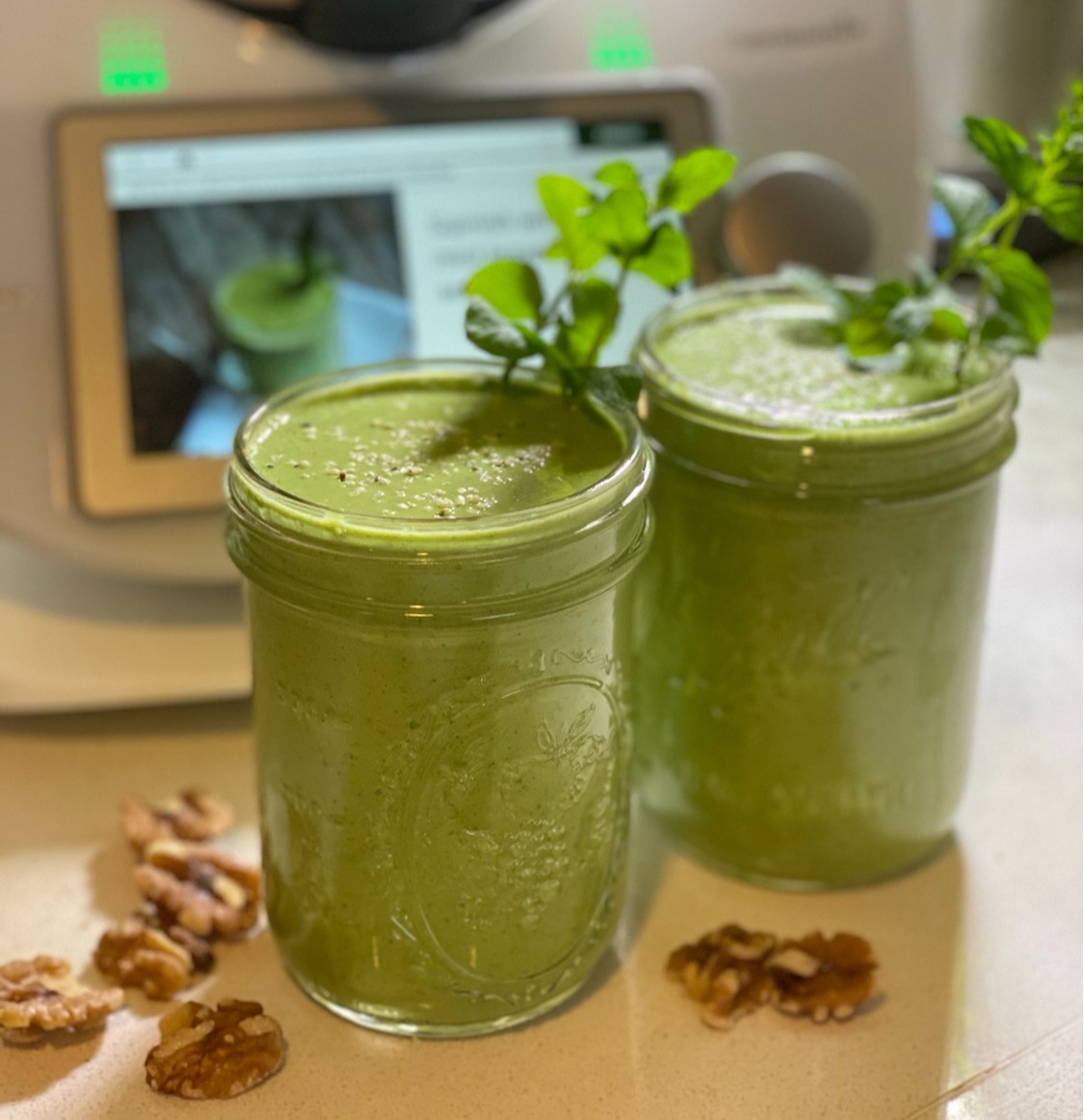
Flat Belly Smoothie
Make this vegan Flat Belly Smoothie with pineapple, banana, mint, lime, ginger and greens. Includes blending tips, walnut swaps and ingredient guidance.