
Health Tips
Rosemary Water for Hair: Questions Before You Try It
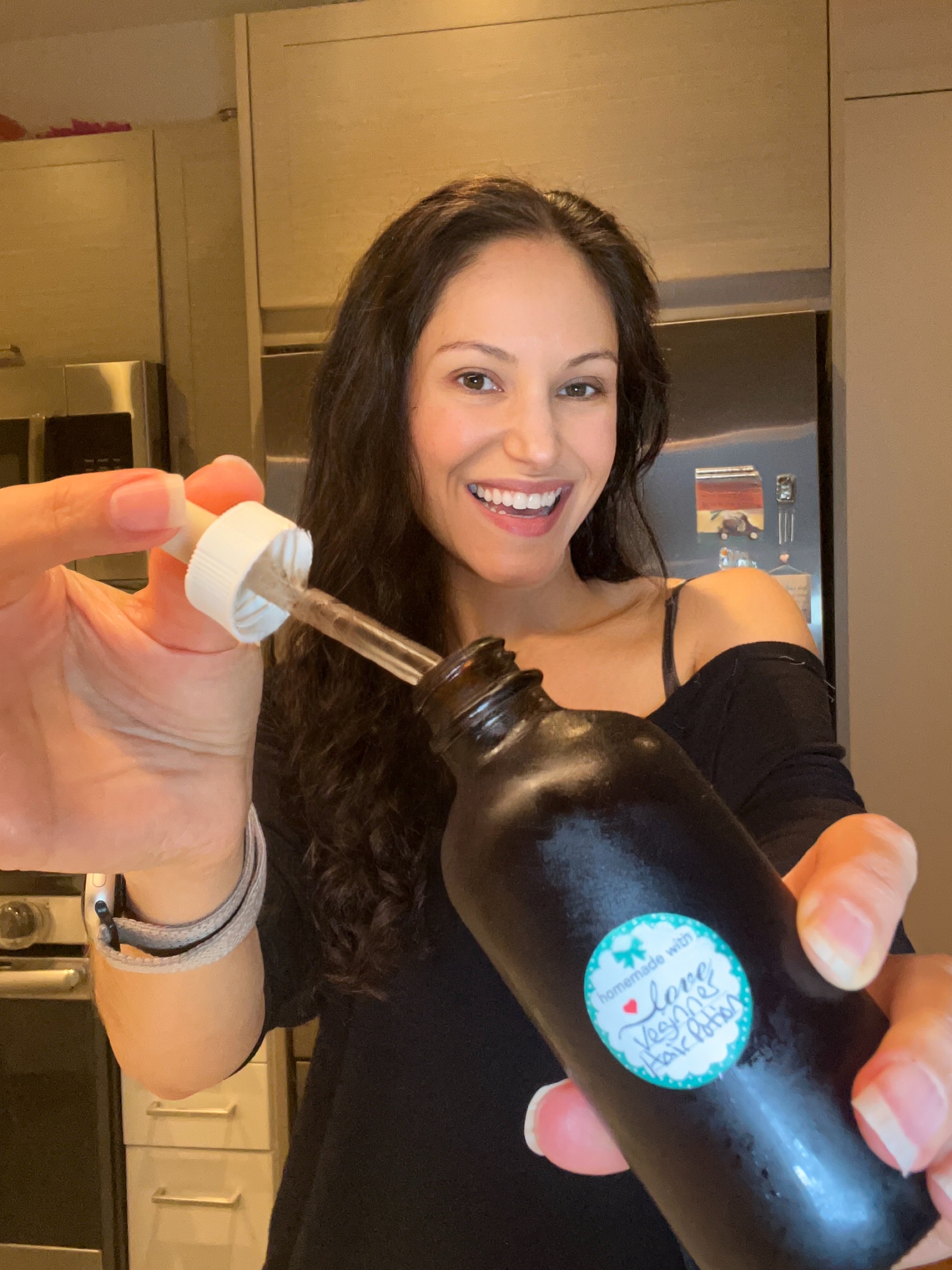
Let’s talk about something we don’t discuss enough as vegans: hair health. When I transitioned to a fully plant-based lifestyle, my skin glowed, my digestion improved, and I felt fantastic. However, a few months in, I noticed more hair in the shower drain than I was used to. Naturally, I panicked a little. Rosemary water was one idea I explored, and I want to share that curiosity alongside what we actually know about it. 🌿
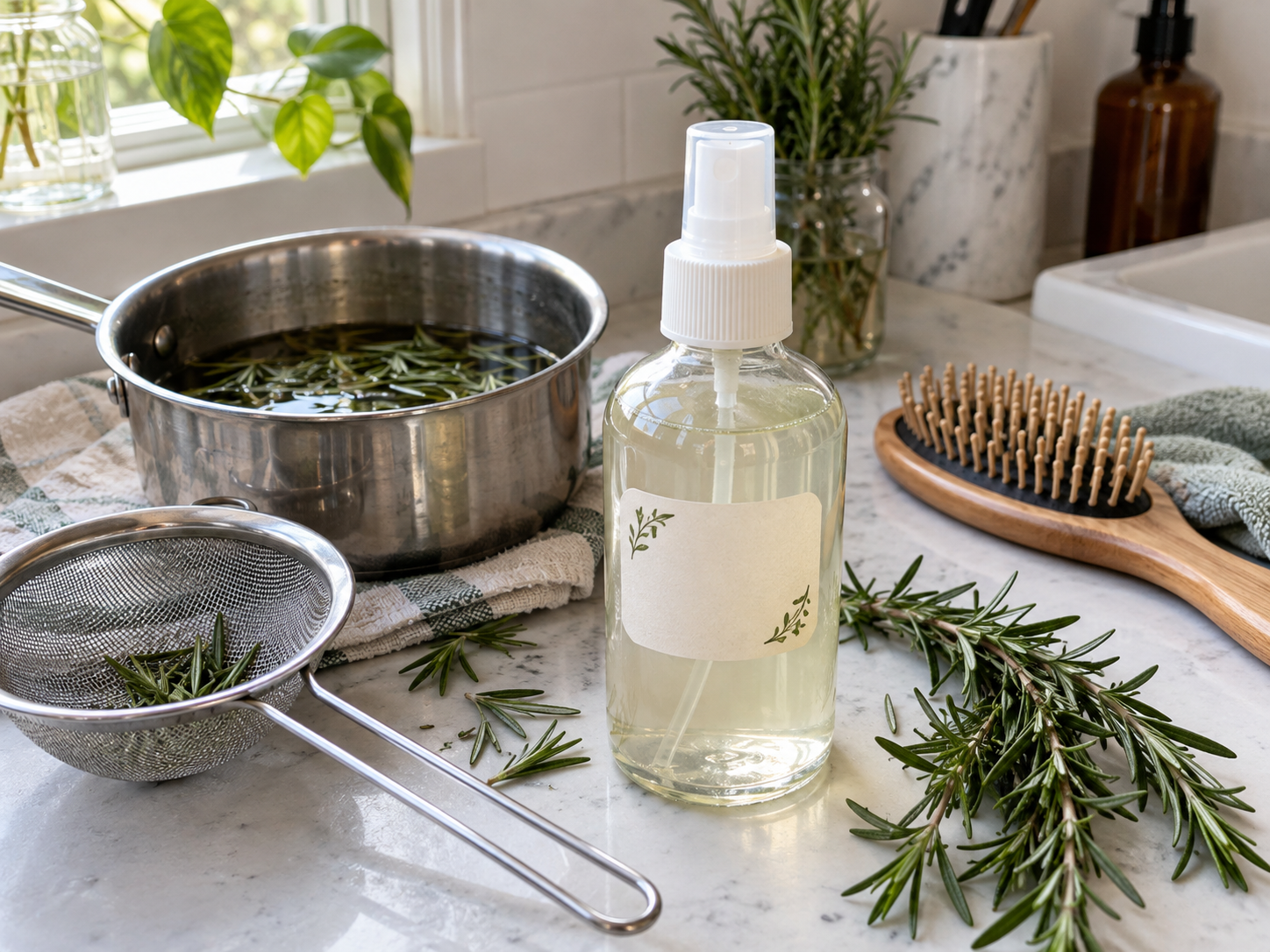
The question behind the bottle
Noticing more hair in the shower can feel unsettling. I shared that experience because plant-based living isn’t about pretending we never have questions. But a change happening after a diet change doesn’t tell us what caused it. Hair shedding can have several explanations, and a homemade spray cannot sort those out for you.
Rosemary oil is not rosemary water
You may have seen research about rosemary oil compared with minoxidil for a particular type of hair loss. That study does not establish that rosemary steeped in water has the same effects. The preparation, concentration, condition being studied and length of treatment all matter. It also doesn’t prove that a DIY spray works for every kind of shedding.
A kitchen infusion needs different expectations
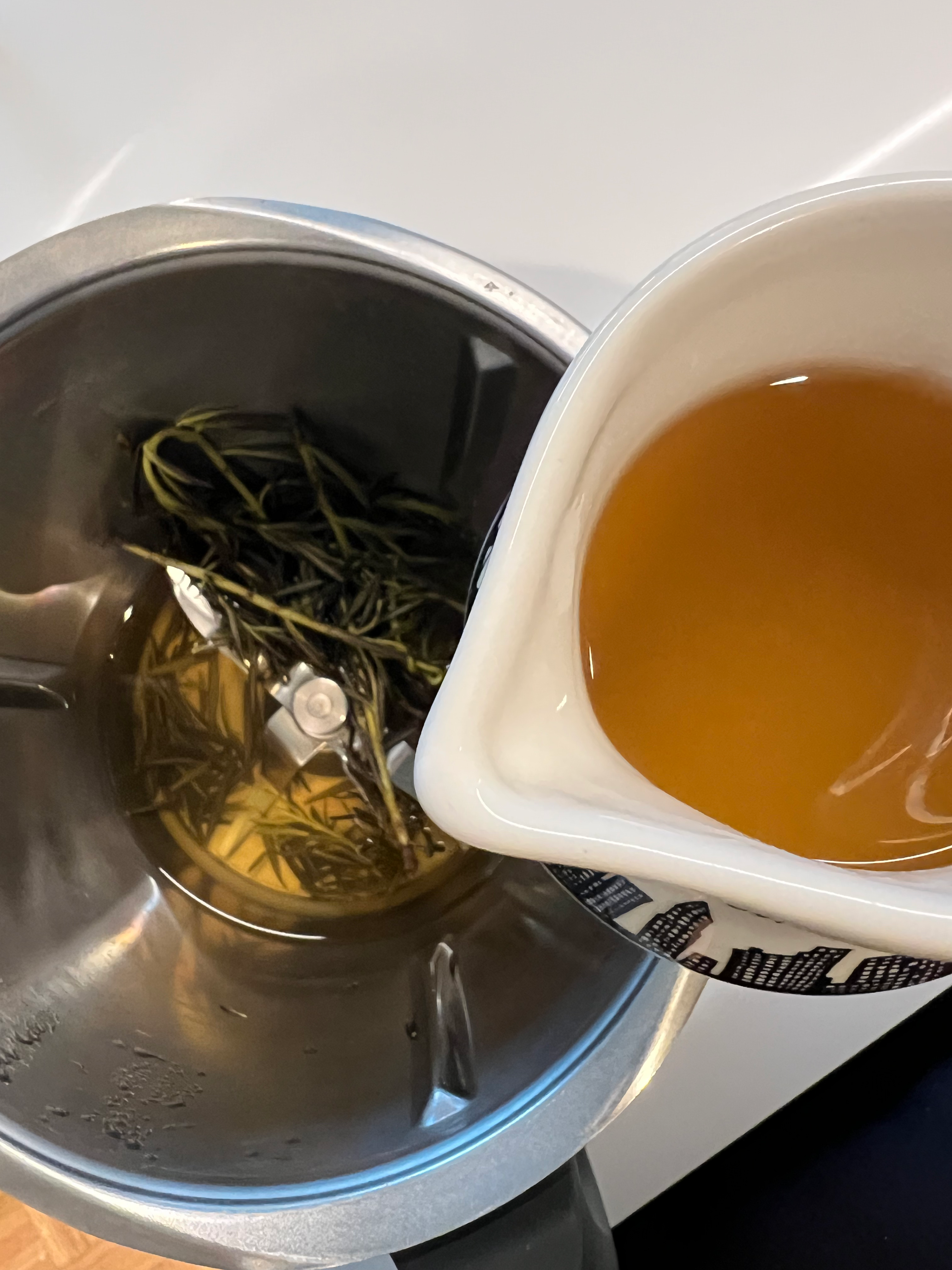
Steeping rosemary makes an herbal infusion, not a standardized scalp treatment. Fresh and dried herbs are not guaranteed to deliver equal amounts of plant compounds. There is no well-established home recipe that lets me promise a certain number of sprays, a regrowth timeline or the same result as a formulated product. That’s a good reason to keep the claims smaller than the bottle.
Be thoughtful with essential oils and storage
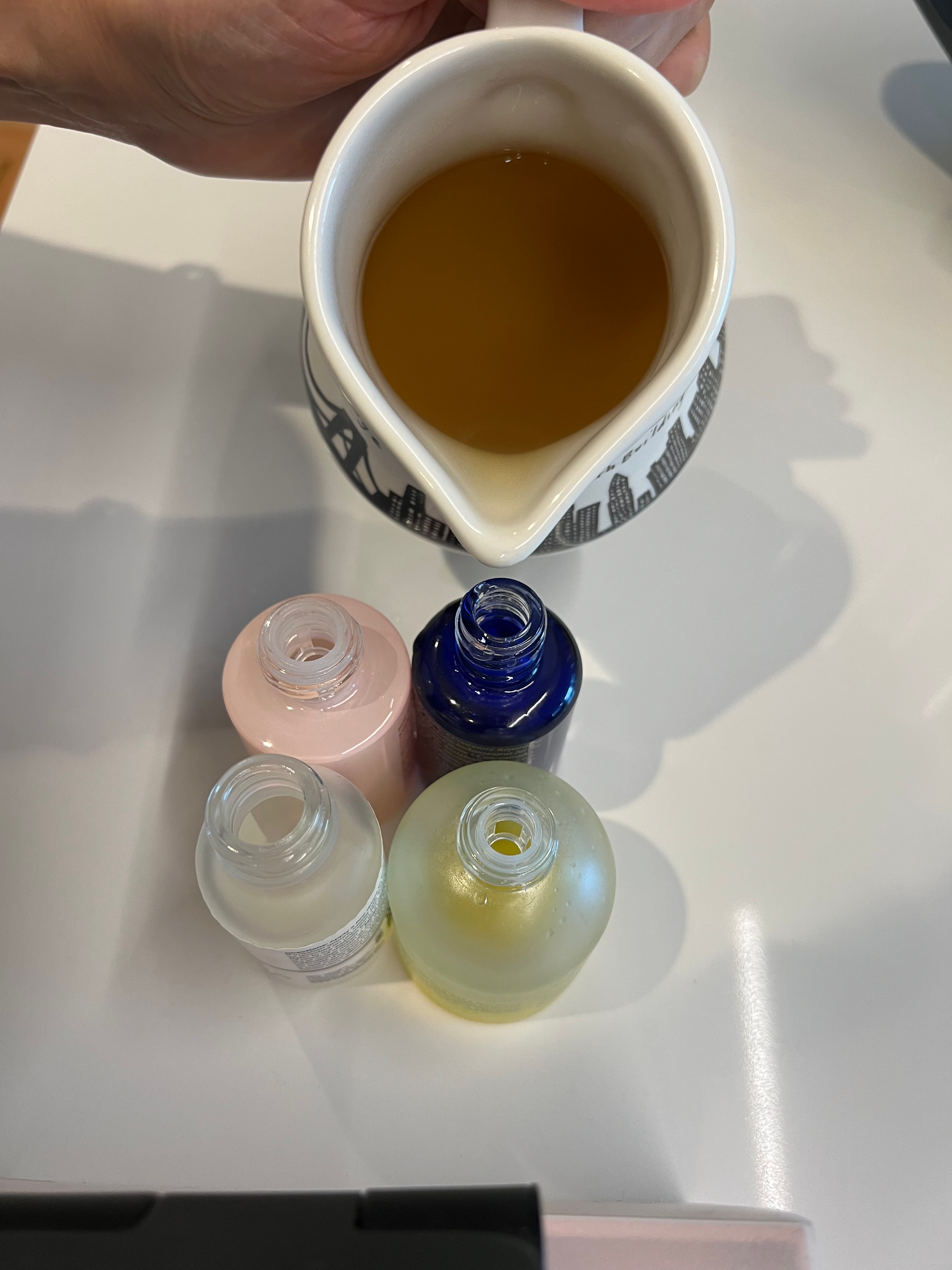
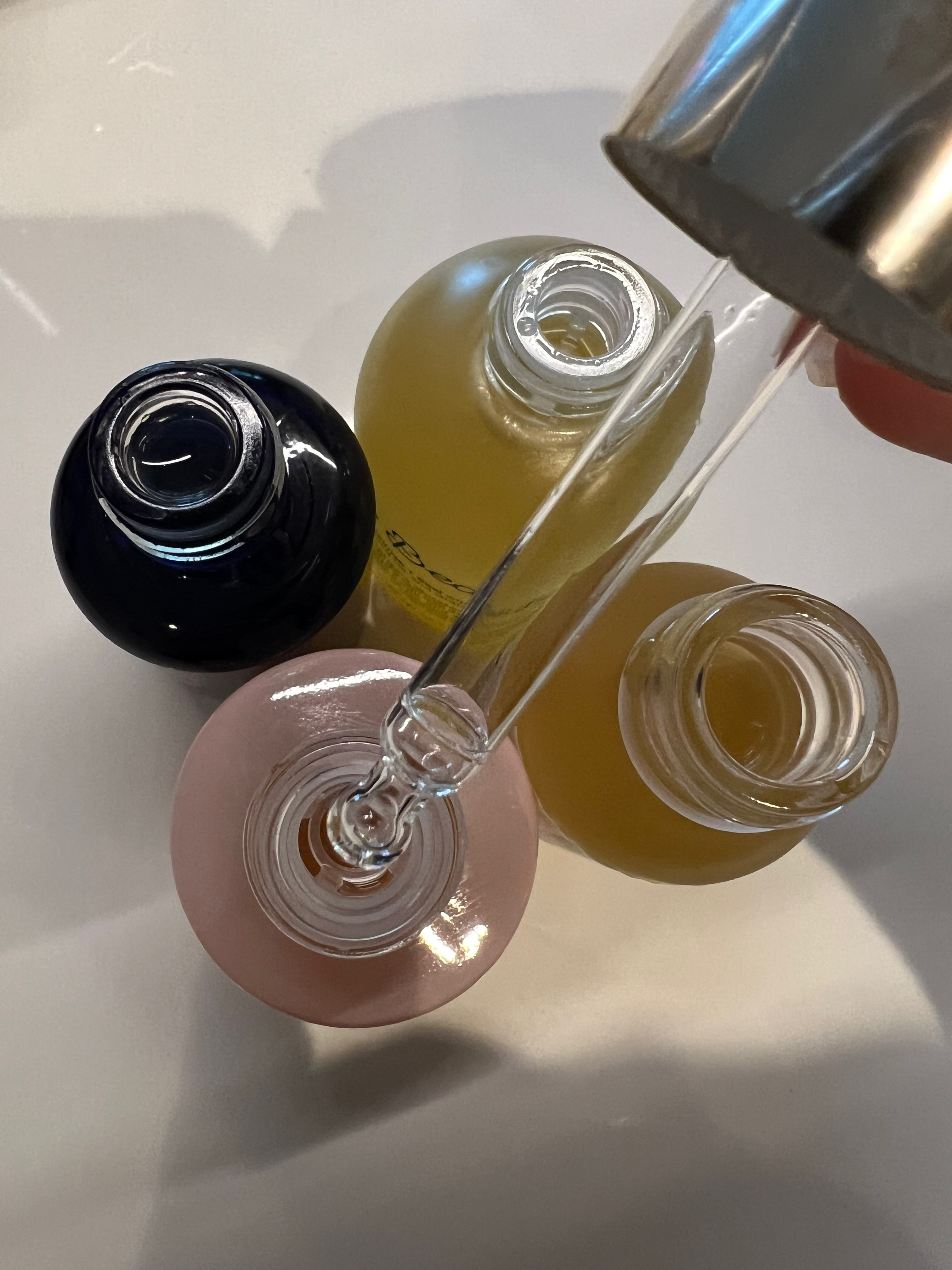
Don’t assume adding drops of essential oil to water creates a safely diluted scalp product. Concentrated oils can irritate skin, and a homemade mixture has not been assessed for its stability or preservation. Boiling the initial water, using filtered water or putting a bottle in the fridge does not establish a safe shelf life for the finished spray. I’m not recommending a seven-to-ten-day storage promise or gifting an unpreserved scalp mixture.
A gentler place to start
Choose hair products suitable for your scalp and follow their instructions. Be gentle when detangling, avoid hairstyles that repeatedly pull, and stop a new product if it causes burning, itching or a rash. If you want to try a rosemary-containing product, a dermatologist can help you decide whether it fits your skin and hair concerns. Plant-derived doesn’t automatically mean irritation-free.
What to bring to an appointment
For persistent, sudden or patchy loss, or shedding with scalp pain or inflammation, arrange medical advice. Note when it started, any illness or medicine changes, and what you’ve been using on your hair. Your eating pattern is part of that conversation, not the whole diagnosis. A clinician can decide whether an examination or tests would help.
Plants can still have a place
Keep enjoying rosemary in the kitchen and be curious about beauty ideas, too. Just give evidence and product safety a seat at the table. For the food side of the conversation, I’ve linked my plant-based hair-health guide below. You deserve useful answers, not pressure to keep trying a spray because someone promised it would be magic.
Read more about my experience in my vegan diet and hair loss post.
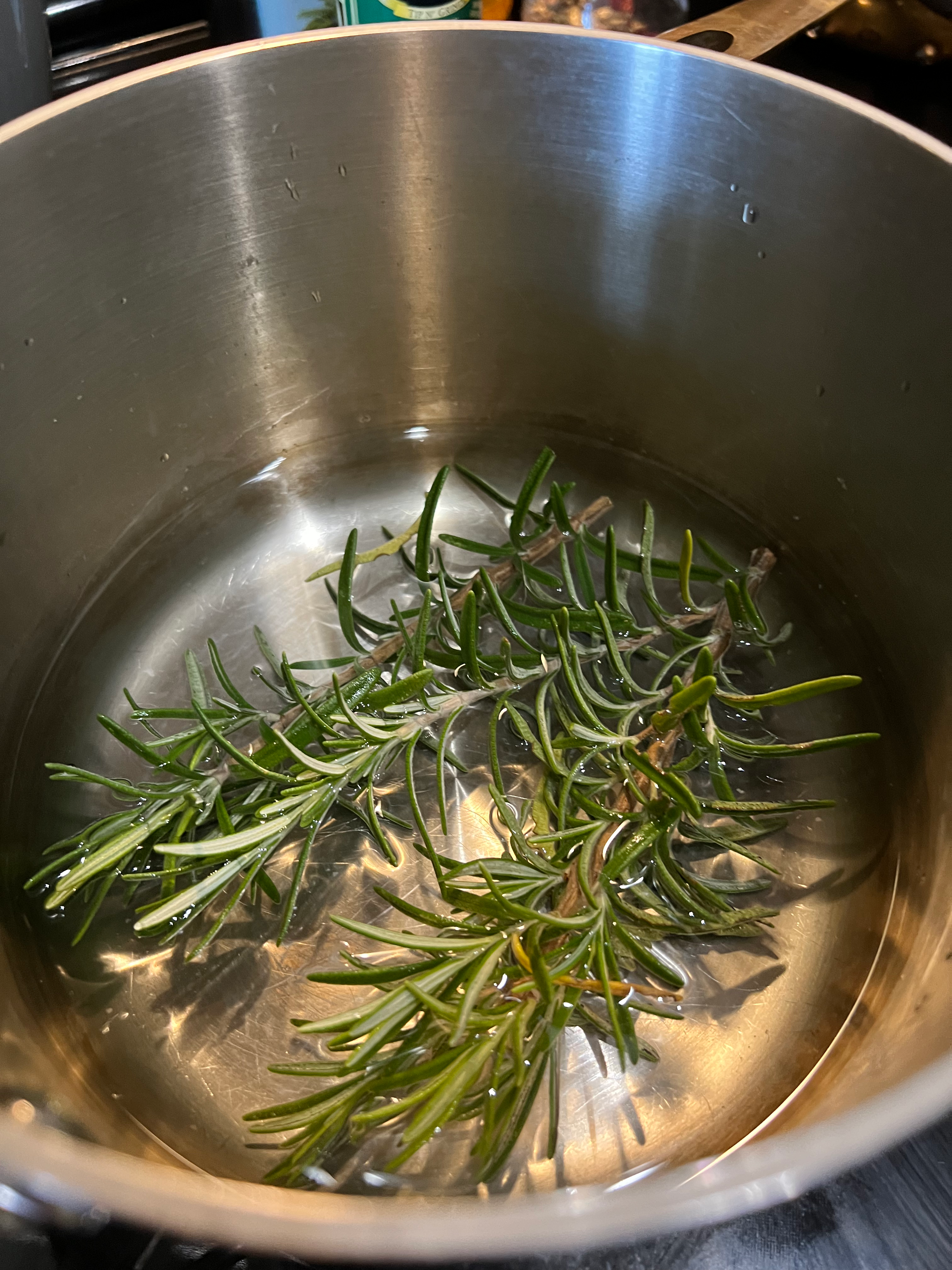
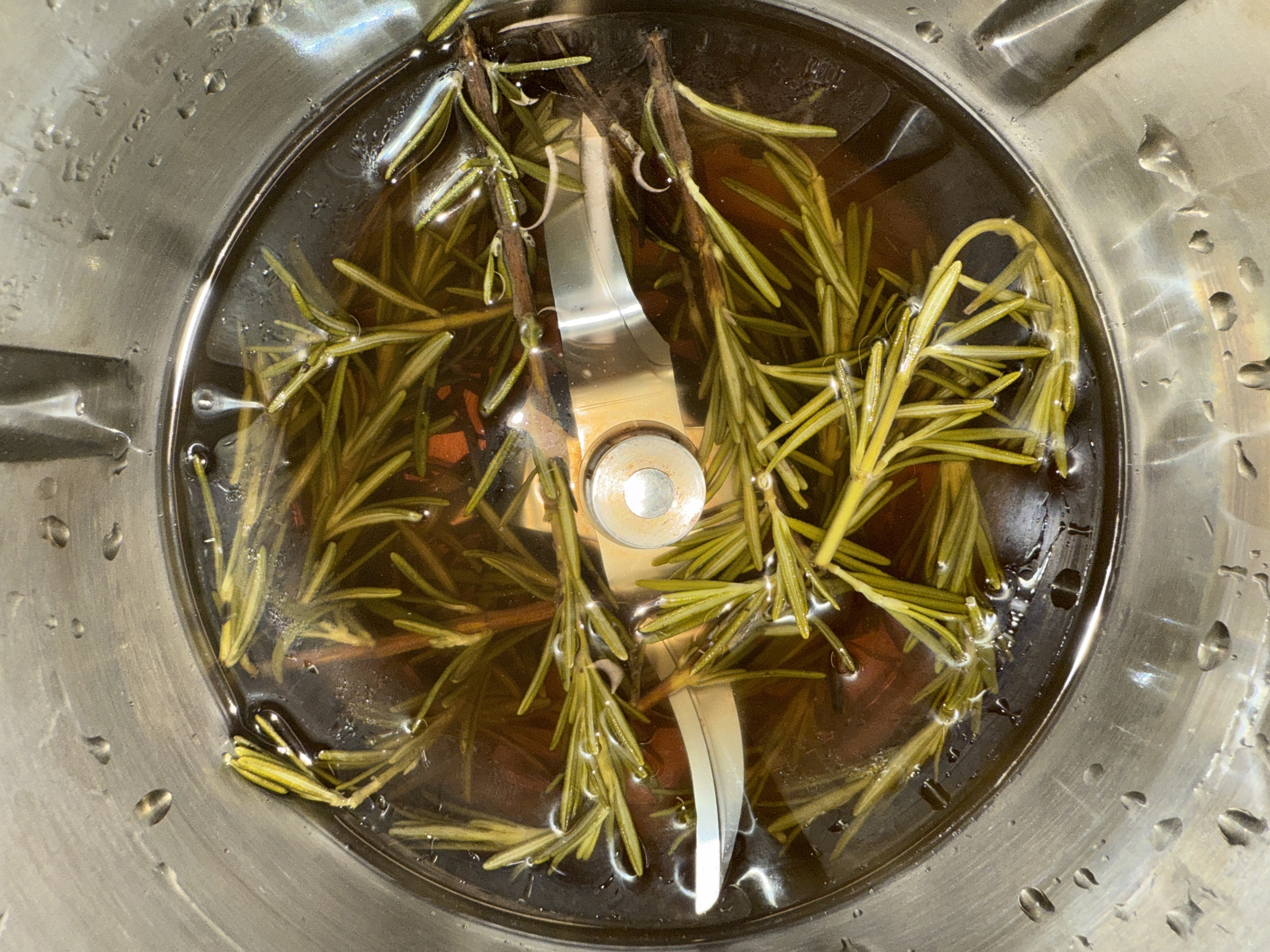
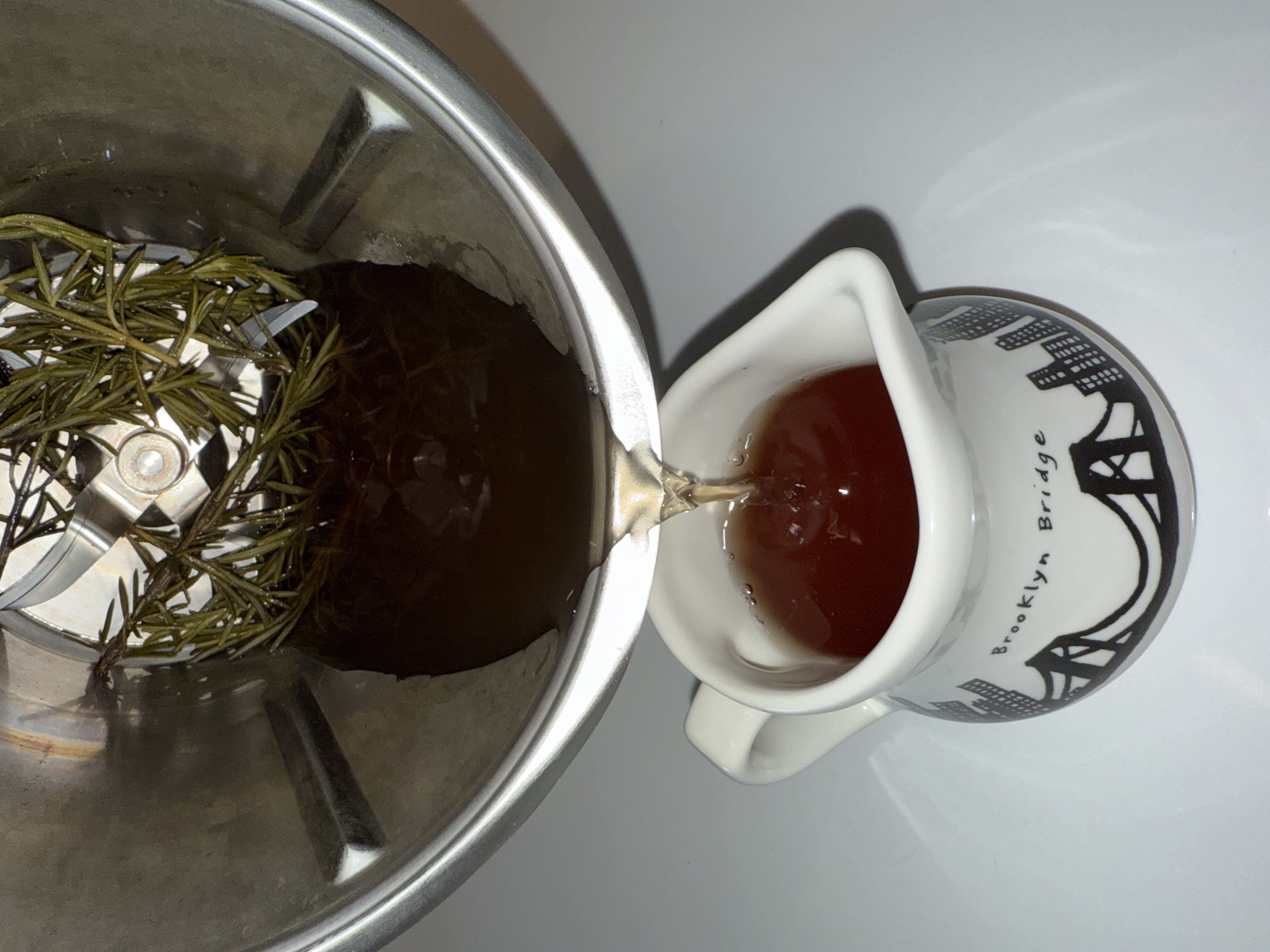
A closer look

Helpful sources
Published trial: rosemary oil and androgenetic alopecia ↗︎
 Health Tips
Lavender Matcha Protein Latte
Explore Lavender Matcha Protein Latte 🍵. Preparation tips, ingredient options and serving ideas from Veginner Cooking.
 Health Tips
Green Juicing: Ingredients, Tips and Recipes
Learn green juicing with a juicer or blender, four produce combinations, practical pulp ideas and the difference between juice and whole vegetables.
 Beverages
Flat Belly Smoothie
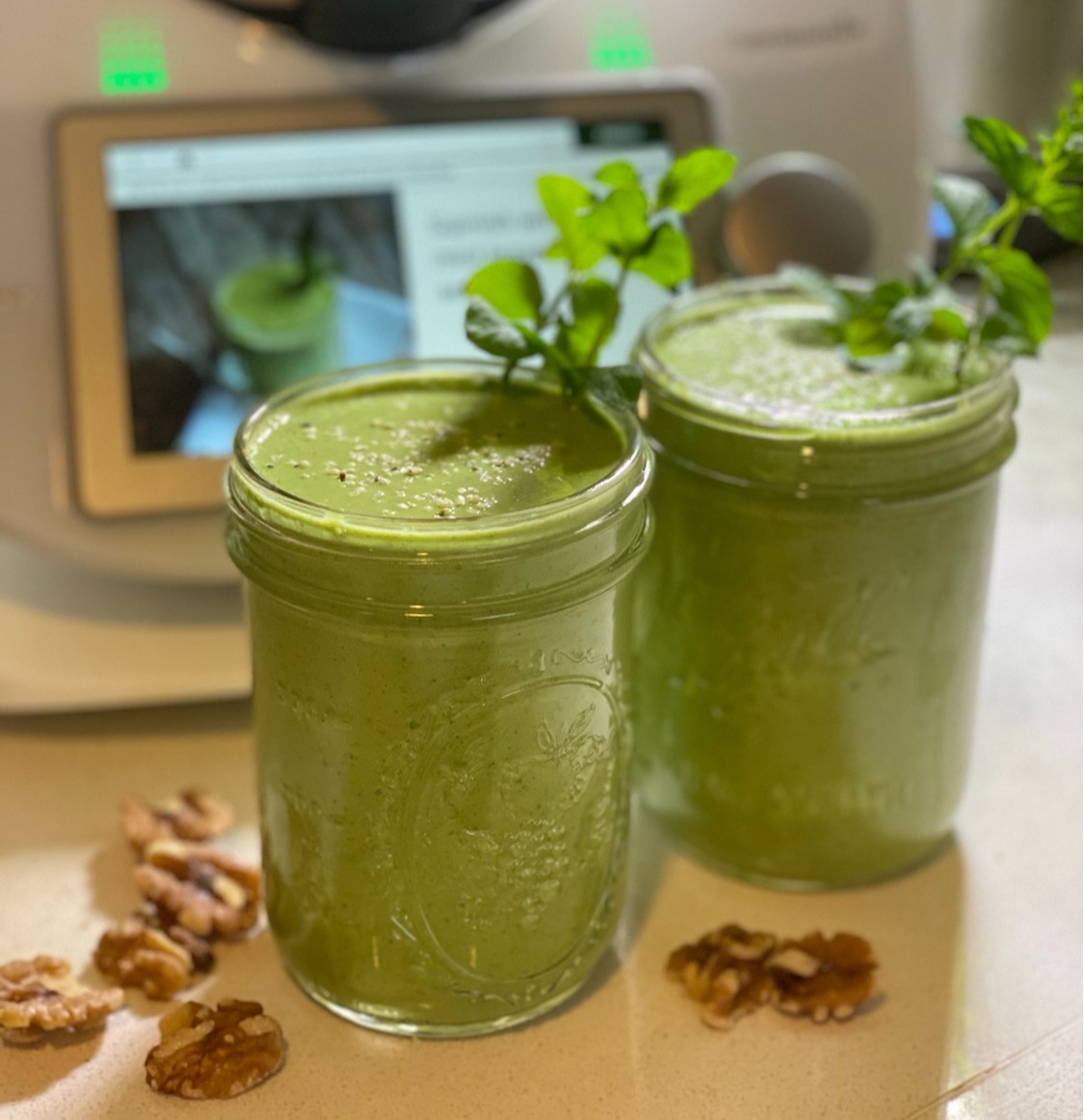
Make this vegan Flat Belly Smoothie with pineapple, banana, mint, lime, ginger and greens. Includes blending tips, walnut swaps and ingredient guidance.